spinner

The fish world of Lake Lucerne

Native fish species and their way of life

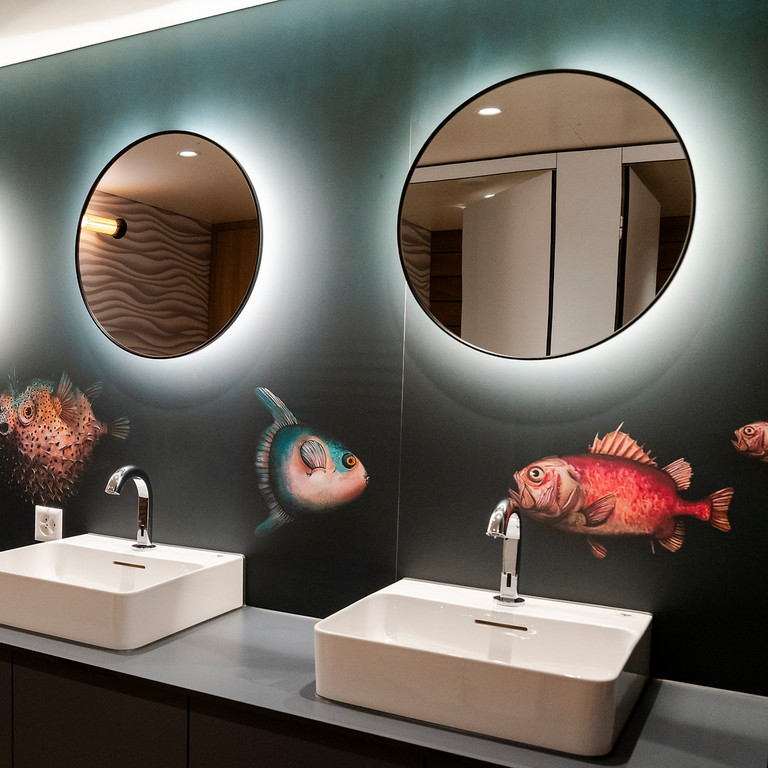
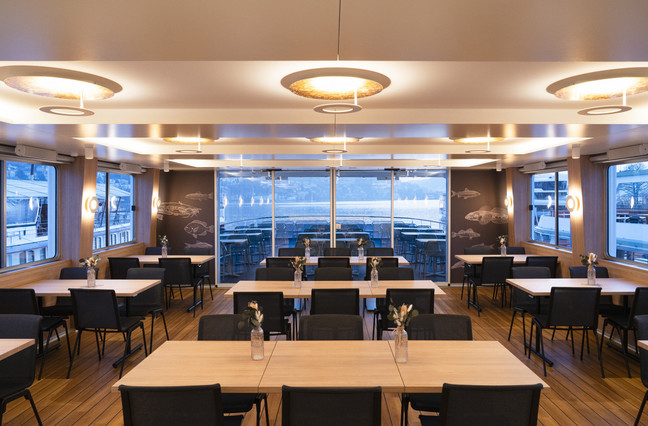
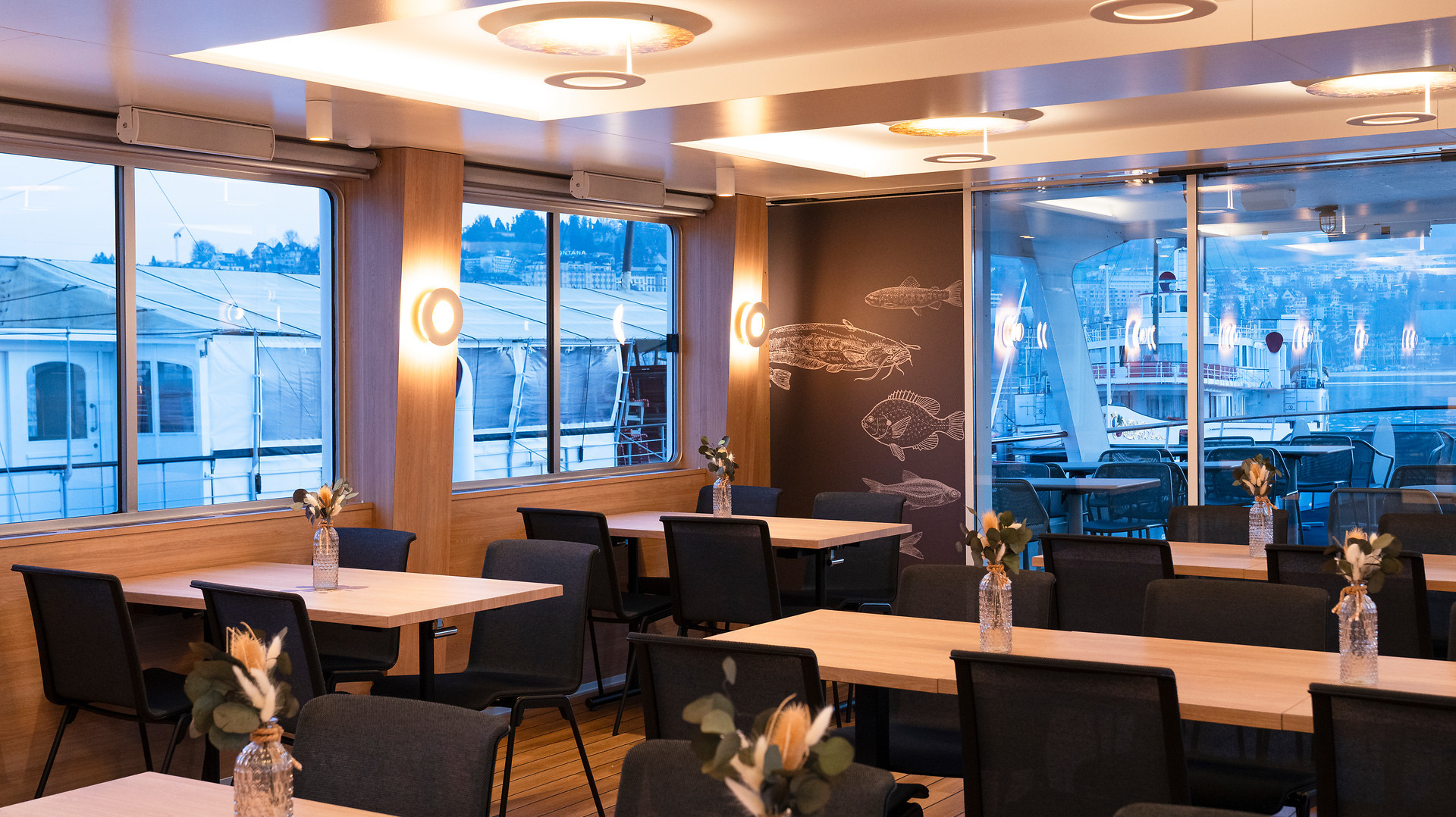
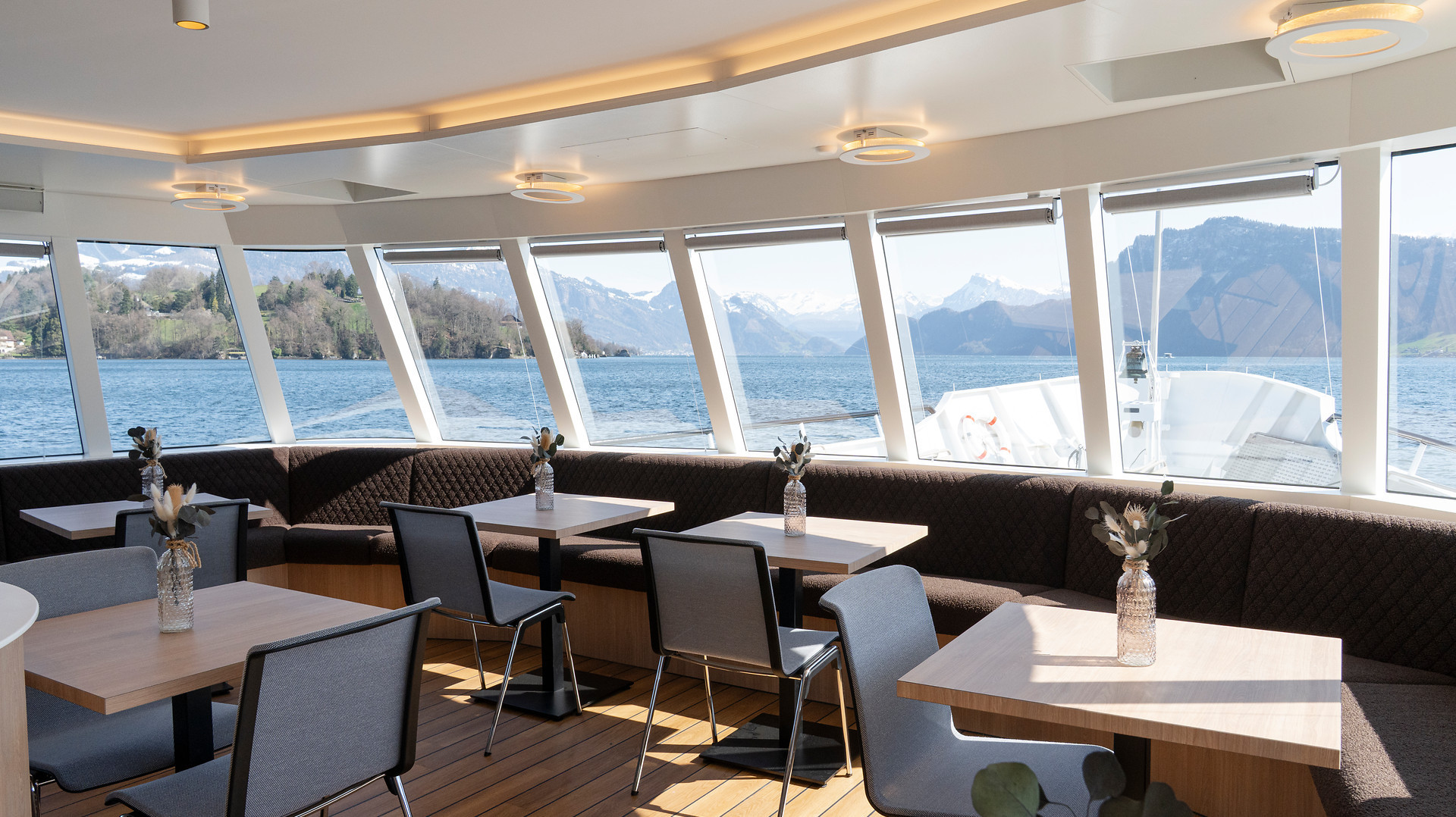
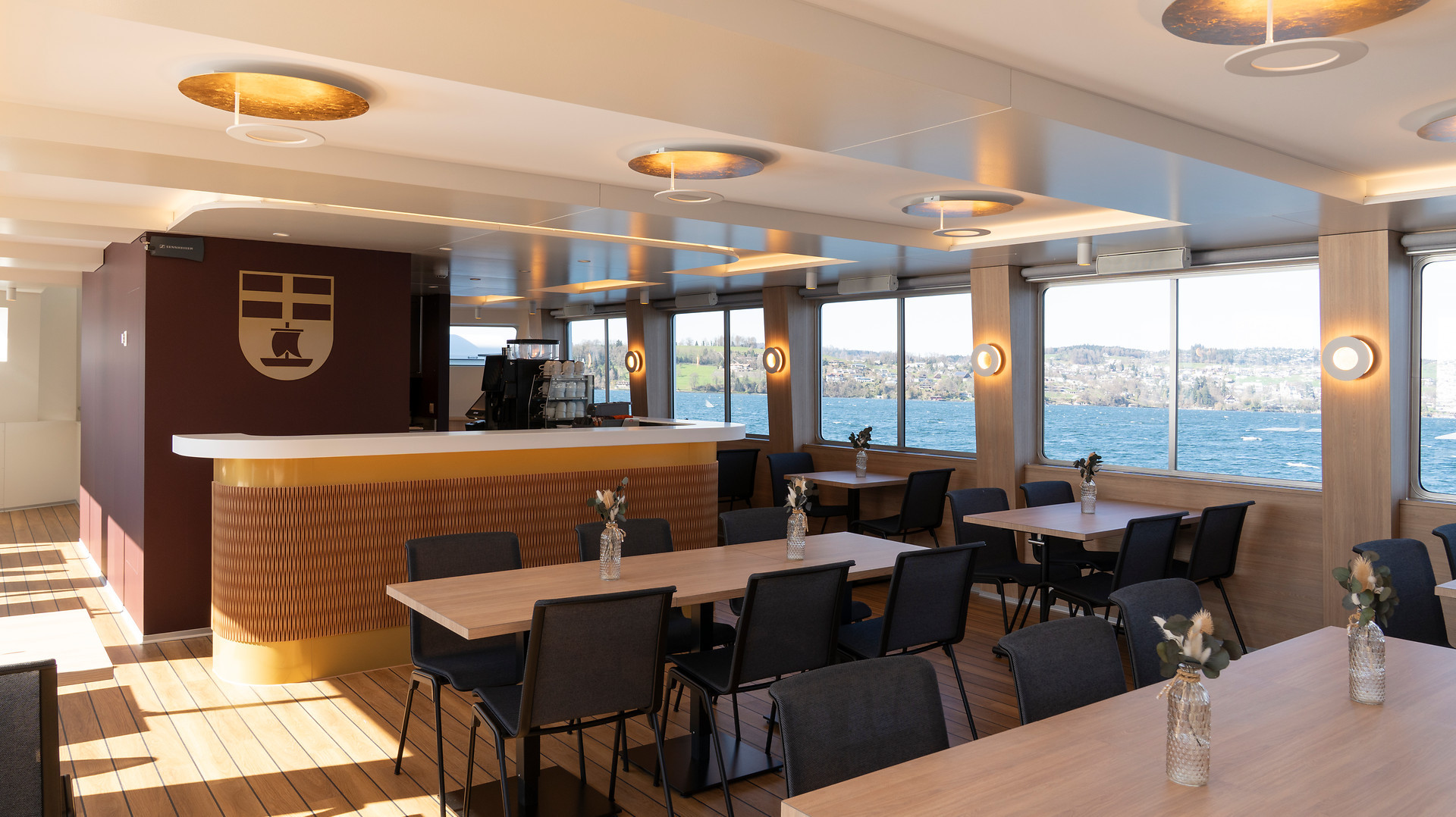
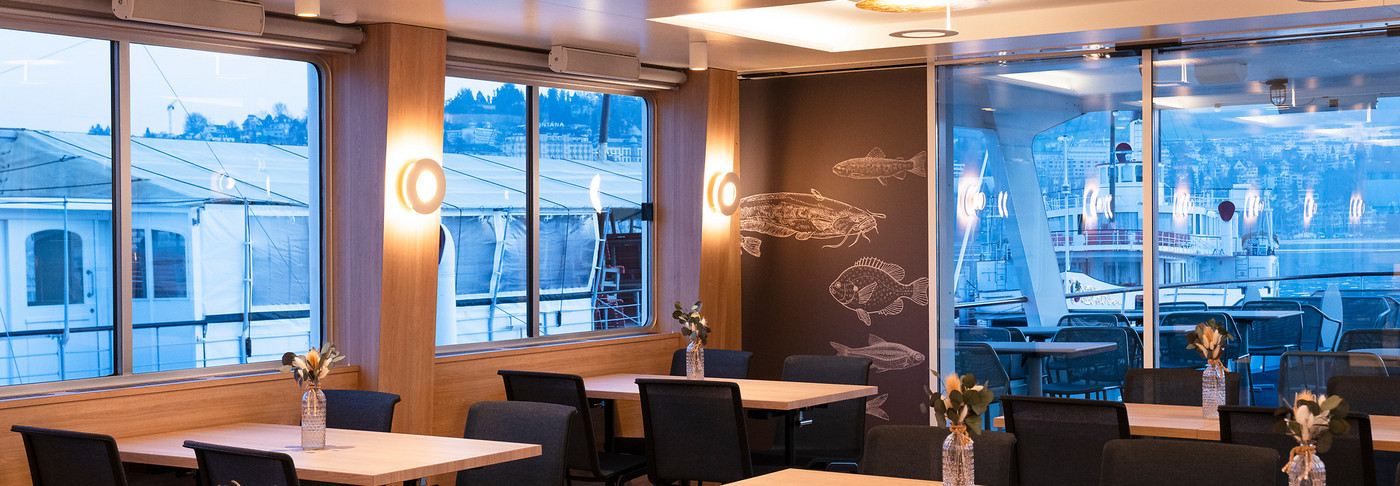
A special highlight on the motor vessel Brunnen is the individually designed wall coverings featuring graphically interpreted native fish species of Lake Lucerne. The motifs have been stylishly executed and harmoniously integrated into the overall design. While guests admire the landscape and surrounding mountains from the deck or through the panoramic windows, an additional perspective opens up inside: the underwater world of the lake.

Fishing in Lake Lucerne remains an important part of the region to this day. Since the Fisheries Concordat of 1890, its use has been regulated across cantonal borders. Professional fishermen and recreational anglers alike contribute to this vibrant tradition. At the same time, sustainable management and targeted conservation measures ensure that fish stocks are preserved in the long term.
Chub
 
Chub
Widespread freshwater fish

Size: 30–40 cm
Weight: 1 kg

The whitefish (Alet) is a widespread freshwater fish found in almost all of Europe. It has an elongated, laterally flattened, torpedo-shaped body with a large head and a wide, terminal mouth that has a continuous horny edge instead of teeth. The back and sides of the whitefish shimmer silver to golden, while the belly and anal fins are reddish in color.

 
Grayling
 
Grayling
Graceful freshwater fish

Size: 30–50 cm
Weight: 0.5–1.5 kg

The grayling typically lives in schools in open, clear waters, especially in rivers with good water quality. Juvenile fish are silvery, while adults become darker and often have black spots. During the spawning season, males display a particularly colorful appearance, with their large dorsal fin shimmering in rainbow hues. Their elegant body shape makes them very popular with anglers and nature enthusiasts.

 
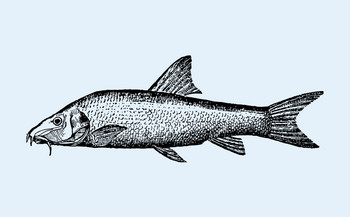
Barbel
 
Barbel
Bottom-dweller of rivers

Size: 30–60 cm
Weight: 0.5–2 kg

The barbel mostly lives in schools near the riverbed and enters a sort of winter dormancy. It feeds primarily on bottom-dwelling invertebrates, algae, and small fish. The barbel is characterized by its cylindrical body, colored olive to brown-green with golden sides and a dirty white belly. Its most distinctive feature is its mouth with fleshy lips and four barbels, which it uses to search for food along the bottom.

 
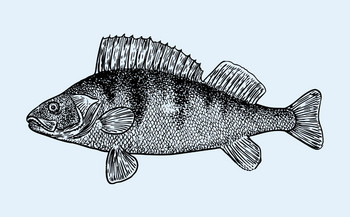
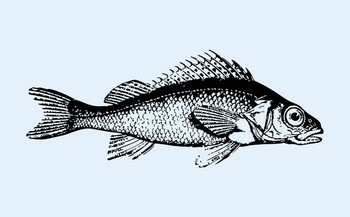
Perch
 
Perch
High-backed predator fish

Size: 30–40 cm
Weight: 300–500 g

The perch is a popular freshwater fish that lives in both still and flowing waters, favoring areas with plenty of vegetation where it can find food. Young perch feed on plankton, while larger individuals hunt small fish, crustaceans, and insect larvae. The perch is notable for its gray-green to yellow-green body covered with dark vertical stripes. Its fins range from yellow-orange to red, and the first dorsal fin features a distinctive black spot.

 
Gudgeon
 
Gudgeon
Small riverbed dweller

Size: 8–12 cm
Weight: 20–150 g

The gudgeon is a small European freshwater fish that prefers shallow, fast-flowing streams and rivers with gravelly or sandy bottoms. During the day, it often hides under stones, roots, or other covers to protect itself from predators. Its body is light gray with dark spots, providing excellent camouflage on the riverbed. The gudgeon is perfectly adapted to its habitat and thrives especially well in flowing waters.

 
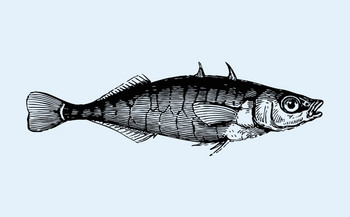
Three-spined stickleback
 
Three-spined stickleback
Little armored fish

Size: 4–11 cm
Weight: 3 g

The three-spined stickleback is a small, fascinating freshwater fish found throughout Europe, as well as in Algeria, northern Asia, and North America. It inhabits ponds, oxbow lakes, slow-flowing waters, and coastal areas with brackish or seawater. Its most distinctive features are bony plates instead of scales and three movable spines on its back. It has a lifespan of about 3 to 4 years and is considered particularly interesting to anglers due to its unique adaptations.

 
Zander
 
Zander
Adaptable river dweller

Size: 20–40 cm
Weight: up to 1 kg

The zander belongs to the carp family and lives in both standing and flowing waters, favoring vegetated shorelines. Typical features of the zander include its divided dorsal fins, which can fold together like a fan, and its reddish pectoral and pelvic fins. The fins have sharp spines, often marked with black spots. The zander is a popular fish among anglers, as it both actively hunts and can move in schools.

 
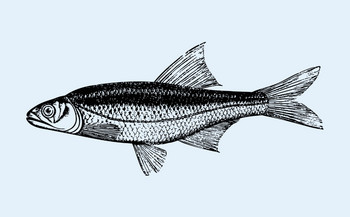
Minnow
 
Minnow
Small river dweller

Size: 6–8 cm
Weight: 15–50 g

The minnow is a small fish that lives in clean, oxygen-rich, fast-flowing waters. It prefers staying near the banks, among vegetation or under roots and stones. Its diet consists of aquatic insect larvae, small crustaceans, and worms. The minnow has an incomplete lateral line, rounded fin edges, and a variable coloration. Males become especially colorful during the spawning season. Thanks to its adaptable lifestyle, the minnow plays a central role in the food chain of many waterways.

 
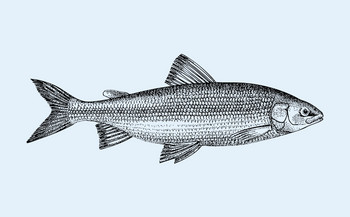
Whitefish
 
Whitefish
Slender open-water fish

Size: 30–50 cm
Weight: 0.5–1.5 kg

The whitefish belongs to the salmon family and has a slender, herring-like body with a small adipose fin. Its back is olive to bluish-green, with silvery shimmering sides that give it a particularly elegant appearance. Whitefish mostly inhabit open water and are primarily found in cold, clear lakes. They are a popular food fish and are valued both by anglers and in the kitchen.

 
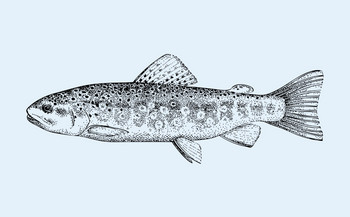
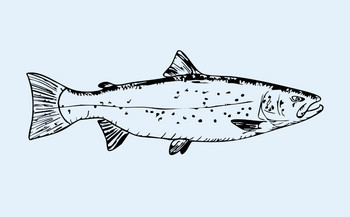
Trout
 
Trout
Robust salmonid fish

Size: 45–80 cm
Weight: 2–10 kg

The trout belongs to the salmon family and is characterized by a spindle-shaped, robust body. Its relatively large head with a terminal mouth extends past the eye and is equipped with strong teeth. Its coloration is highly variable and changes throughout its life. Trout feed on aquatic insects and flying insects and prefer cold rivers, lakes, and streams as their habitat.

 
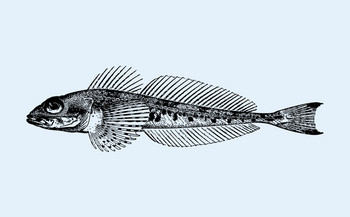
Bullhead
 
Bullhead
Small bottom-dweller

Size: 12–14 cm
Weight: 10–30 g

The bullhead is a small fish found mainly in Europe, particularly in the Werdenberg inland canal. It has a spindle-shaped body with a large, broad head and smooth, scaleless skin. Bullheads are nocturnal and like to hide under stones during the day. They lack a swim bladder, making them poor swimmers. Distinctive features include their gray to light brown coloration with darker marbling, four faint crossbands, and light gray spotted fins.

 
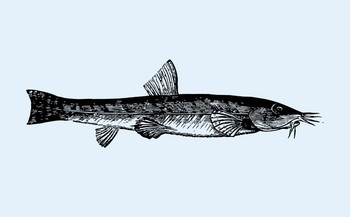
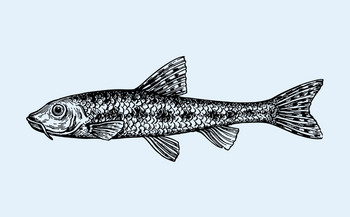
Stone loach
 
Stone loach
Small shoaling fish

Size: 10–12 cm
Weight: 10–20 g

The stone loach is a small, adaptable fish that lives in rivers, ponds, lakes, reservoirs, and even slightly brackish Baltic Sea waters. It usually stays in schools and seeks shelter under stones or roots when disturbed. Typical features of the stone loach include a brown-green back, gray-white sides with a yellowish shimmer, and gray-yellow fins. Stone loaches feed on insect larvae and plants and are often used as bait or food fish.


Here, imagination swims along

Among all the real species, a few surprising creatures also frolic in the lower level. Our fantasy fish are sure to make you smile—keep your eyes open!
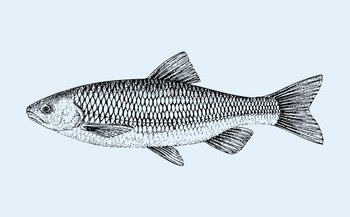
Grayling
 
Grayling
Fast-flowing water dweller

Size: 20–30 cm
Weight: 300–700 g

The grayling is a slender fish that primarily inhabits fast-flowing, clean rivers. It feeds on insect larvae from the riverbed and catches insects from the surface in the evening. The grayling has a gray-blue back, silvery shimmering sides, and a whitish belly. Its fins are yellowish, with the anal fin notably dirty orange to reddish and distinctly notched. In winter, the fish seek shelter in small groups in deep pools.

 
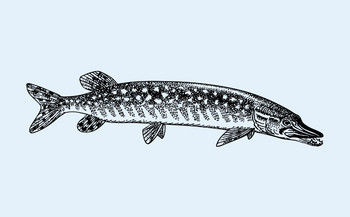
Pike
 
Pike
Predator of the shoreline zones

Size: 50 cm–1.5 m
Weight: 2–10 kg

The pike is a large predatory fish that lives along vegetated shores in the waters of Europe and Asia. It is known for its long, muscular body. Its fins are positioned far back, and both the mouth and throat are strong and equipped with sharp teeth. The pike is gray-green with darker tones, and its sides feature yellow spots and stripes. It is considered a skilled hunter and a prominent inhabitant of its habitats.

 
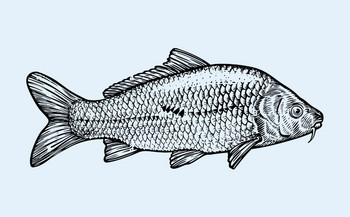
Carp
 
Carp
Robust freshwater fish

Size: 35–60 cm
Weight: 1–4 kg

The carp is one of the best-known freshwater fish in Europe and has been deliberately bred for centuries. It is a cylindrical fish with a long dorsal fin, a short anal fin, and four barbels around the mouth. Originally, the carp was found in the tributaries of the Mediterranean, Black, Caspian, and Aral Seas; today it also occurs further east to the Amur and Cherle regions, and south to Burma. The carp is valued as a versatile food fish and a popular species for aquaculture.

 
Rainbow trout
 
Rainbow trout
Colorful salmonid fish

Size: 30–90 cm
Weight: 1–3 kg

The rainbow trout originally comes from the Pacific coast of North America but is now found in almost every region of the world. It feeds on larvae, zooplankton, mollusks, and small fish. A characteristic feature of the rainbow trout is the pink to reddish stripe along the midline of its body. Its head, back, sides, and fins are covered with black spots. Selective breeding has produced many color variations.

 
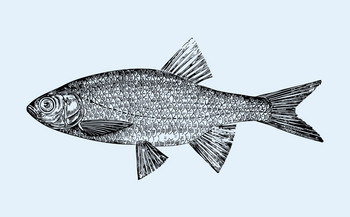
Rudd
 
Rudd
High-backed shoaling fish

Size: 25–30 cm
Weight: up to 1 kg

The rudd is an adaptable shoaling fish that lives in standing and slow-flowing waters. It feeds on tiny organisms, insect larvae, fish eggs, and plant material. Typical features of the rudd include its high-backed body, upward-facing mouth, yellow iris, greenish back, golden sides, and striking red fins, giving it a distinctive appearance.

 
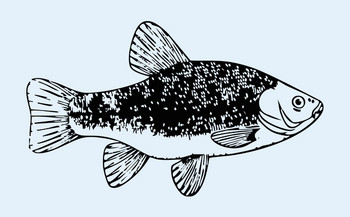
Tench
 
Tench
Bottom-dwelling freshwater fish

Size: 20–40 cm
Weight: up to 7.5 kg

The tench lives on the bottom of bodies of water, where it primarily feeds on the animals found there. Its body is short and high-backed, with very small scales and a thick layer of slime. Typical features include a dark green back, green-brown to gray-green sides with a golden sheen, a pale belly, and dark fins, giving it a distinctive appearance.

 
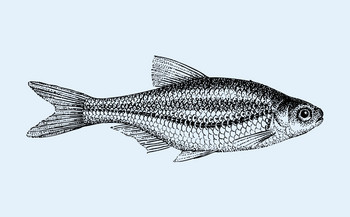
Orfe
 
Orfe
Small shoaling fish

Size: 10–15 cm
Weight: 20–30 g

The orfe is a small fish that is primarily found in clear, oxygen-rich waters. Its body is dark green with slightly silvery sides and a dark double row of spots along the lateral line. The orfe feeds mainly on benthic invertebrates, especially caddisfly larvae. Its adaptability makes it an important part of the fish population in many waters.

 
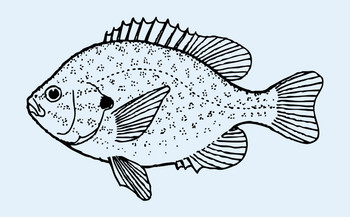
Sunfish
 
Sunfish
Colorful shallow-water dweller

Size: 15–30 cm
Weight: up to 250 g

The sunfish is a striking freshwater fish that feeds on small animals such as insects, snails, crustaceans, leeches, and small fish. Its robust body is decorated with red, yellow-red, blue, and emerald spots, with a bright orange belly and throat, and fins ranging from green to yellow. Smaller sunfish often live in schools, while larger, predatory individuals are solitary and prefer warm, sunny shallow-water areas.

 
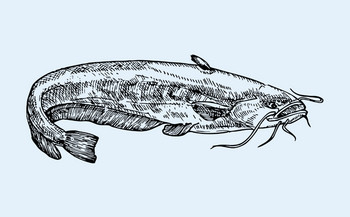
Catfish
 
Catfish
Large freshwater predator

Size: 1–2 m
Weight: 50–100 kg

The catfish is a freshwater fish that feeds on small carp species such as roach or rudd. It lives near the bottom in deep lakes, rivers, or slow-flowing waters. Its body is marbled olive-green to bluish-gray, with a cream- to gray-white belly. Catfish are nocturnal, highly adaptable, and are considered top predators that play a key role in maintaining the balance of their habitat.

 
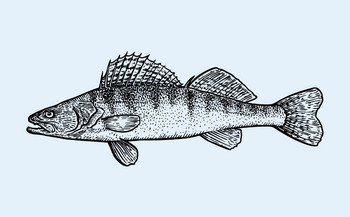
Pike-perch
 
Pike-perch
Predatory shoaling fish

Size: 80–100 cm
Weight: 12–15 kg

The pike-perch is a fast predatory fish with a heavily toothed, terminal mouth and two prominent “canine” teeth in the lower jaw. Its back is gray-green, and the sides have dark brown crossbands that break up into spots. Pike-perch usually stay hidden near the bottom during the day and hunt mainly in the morning and early evening. In many locations, populations are declining due to a lack of natural reproduction.


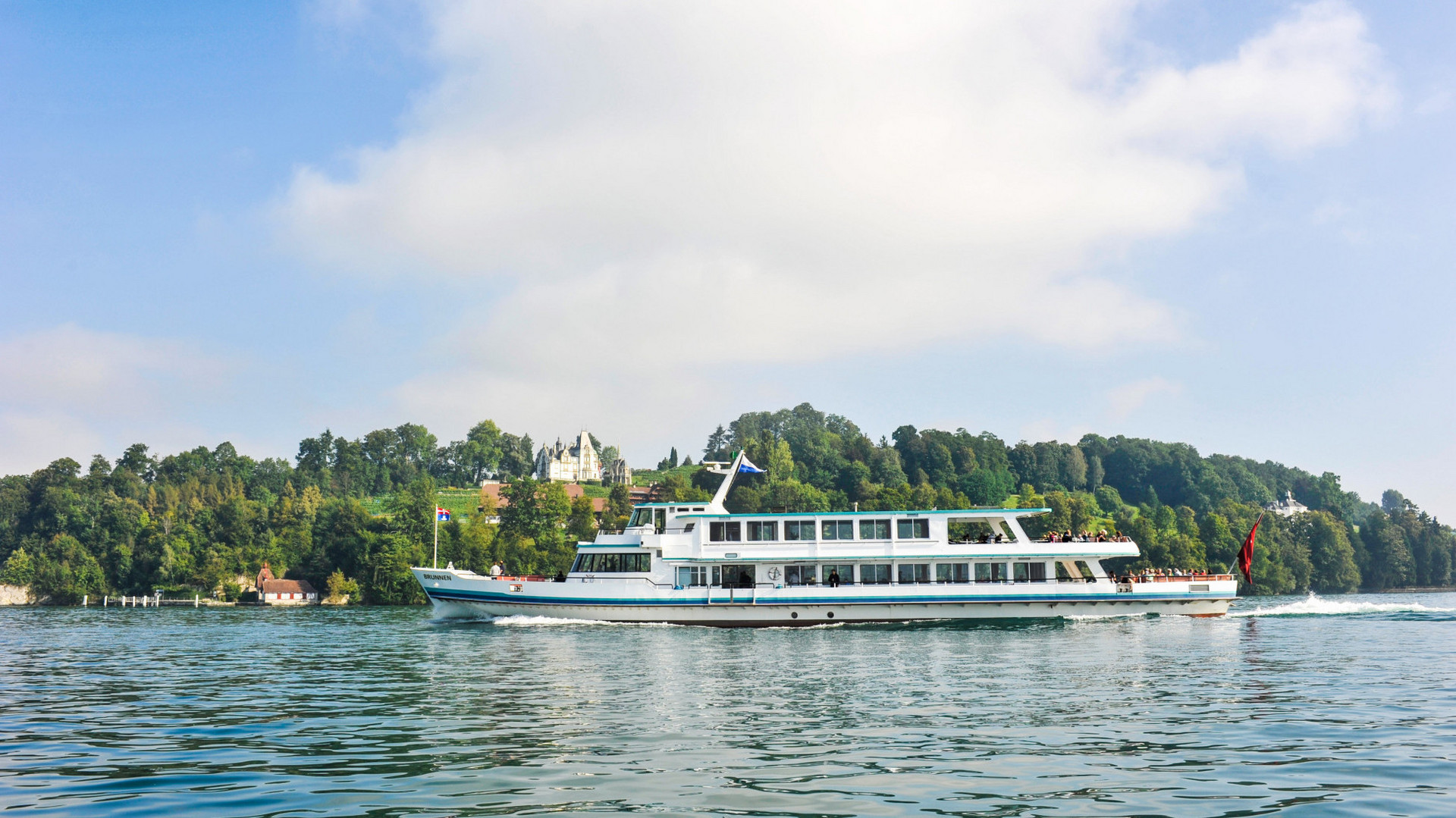
One of three panoramic ships on Lake Lucerne

Motor Vessel Brunnen

Motor Vessel Brunnen

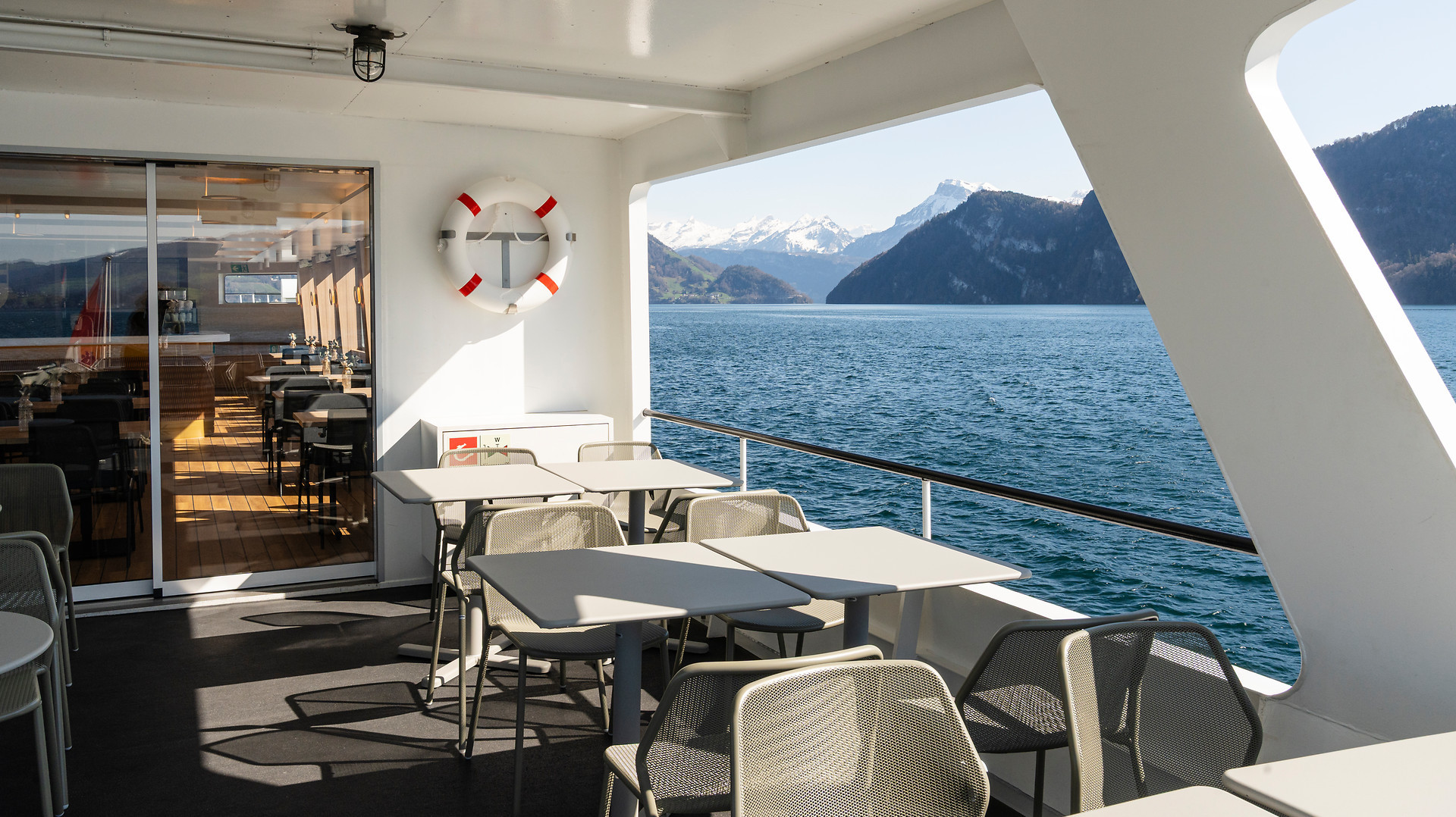
Since 2026, the motor vessel Brunnen has been presented in a new, contemporary design following a comprehensive interior renovation. High-quality materials, a well-thought-out spatial concept, and a warm, inviting atmosphere